






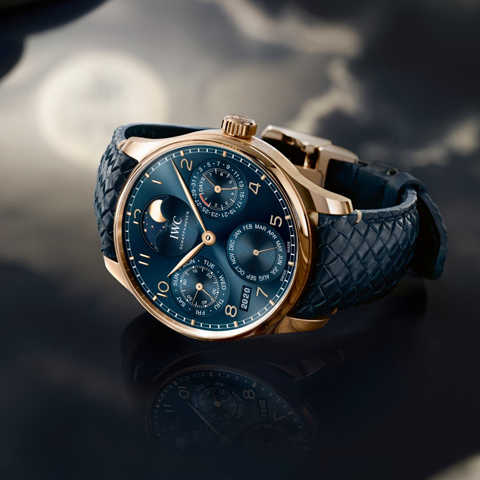

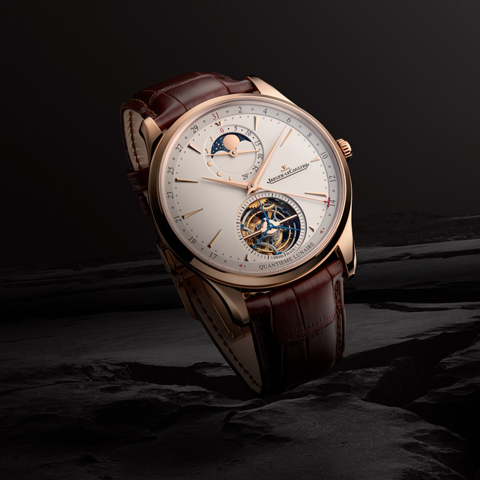

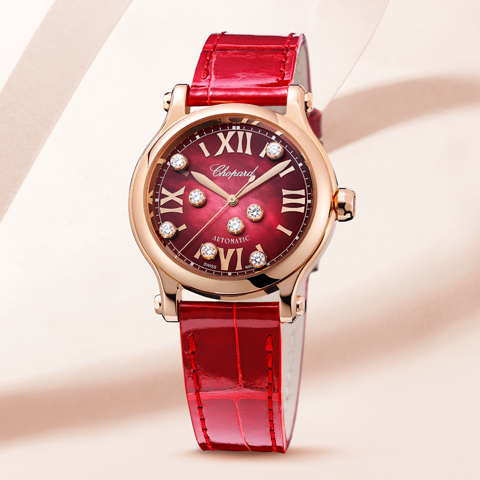



There’s something undeniably poetic about a watch that traces the cycles of the moon. Beyond its function, the moonphase complication is a celebration of humanity’s enduring fascination with the cosmos; a marriage of technical mastery and artistic storytelling. For collectors, it’s more than a feature; it’s a miniature universe on the wrist, a reminder of our connection to celestial rhythms.
Ancient Curiosity, Mechanical Genius
Long before the first wristwatches existed, civilizations looked to the moon for guidance. Ancient calendars, lunar charts, and even cave art reflect humanity’s early obsession with lunar cycles. Among the most extraordinary artifacts is the Antikythera mechanism, an ancient analog device capable of tracking the moon’s phases with astonishing precision. This ingenious invention foreshadowed the moonphase complication, laying the foundation for centuries of horological innovation.
Clocks That Captured the Cosmos
The Renaissance brought about a fascination with mechanical representations of the heavens. Elaborate astronomical clocks appeared in European cathedrals and town squares, visually narrating the moon’s journey alongside the sun and stars. These mechanical marvels not only told time but told stories, connecting earthly life to the vast rhythms of the cosmos. Eventually, these complications found their way into grandfather clocks, particularly in Germany and England, cementing the moonphase as a symbol of technical artistry and refined taste.
From Pocket to Wrist: Moonphase Reinvented
By the 18th and 19th centuries, moonphase indicators became a staple in luxury pocket watches, prized as much for their elegance as their utility. The leap to wristwatches marked a defining moment: Patek Philippe introduced the first moonphase wristwatch in 1925, followed by Rolex’s iconic Reference 8171 in 1949. Suddenly, this celestial complication was no longer just a statement of sophistication, it was wearable art, accessible to collectors who appreciated both precision and poetry.
The Mechanics Behind the Magic
Traditional moonphase designs employ a 59-tooth gear to replicate the moon’s 29.5-day cycle, displaying two moons beneath a crescent-shaped aperture. The result is simple, yet mesmerizing: a celestial dance that unfolds slowly and beautifully. Modern watchmakers have refined these mechanisms further, offering smoother transitions and greater accuracy, while keeping the timeless allure that collectors cherish.
Precision Meets Poetry
Today, the moonphase is both an artistic flourish and a marvel of precision:
- IWC’s Eternal Calendar extends accuracy to an astonishing 45 million years before requiring adjustment.
- H. Moser & Cie’s Endeavour Perpetual Moon deviates by only one day every 1,027 years.
These feats highlight the enduring appeal of moonphase complications: a rare combination of scientific ingenuity and poetic elegance.
Why Collectors Can’t Resist
For Chatham Luxury Watches’ collectors, the moonphase is more than a technical feature, it is:
- An artistic signature, where aesthetics meet engineering.
- A link to heritage, honoring centuries of horological tradition.
- A piece of wearable storytelling, capturing the romance of the night sky.
- A symbol of craftsmanship, reflecting the skill and dedication of master watchmakers.
A Celestial Legacy on Your Wrist
From ancient lunar observations to modern luxury timepieces, the moonphase complication remains one of the most enchanting elements in watchmaking. At Chatham Luxury Watches, we invite you to explore these celestial masterpieces, a perfect blend of technical excellence, timeless beauty, and poetic sophistication.